The keyword “thejavasea.me leaks aio-tlp370” has gained significant attention online, leading many users to search for information about the alleged data leak, its implications, and whether any cybersecurity risks are involved. Based on publicly available discussions and reports, AIO-TLP370 appears to be associated with a leaked dataset that has circulated across various websites and forums. However, many claims surrounding the incident remain unverified, making it important to separate facts from speculation.
If you searched for thejavasea.me leaks aio-tlp370, you are likely looking for answers about what happened, what information may have been exposed, who could be affected, and how to protect yourself. This guide covers all of those questions in a practical, evidence-based manner.
TheJavaSea.me is a website name that has appeared in discussions related to online data sharing, leaked datasets, cybersecurity incidents, and digital privacy concerns. Interest in the site increased after references to various leak collections began appearing across blogs, forums, and social media platforms.
It is important to note that information about the website itself is limited, and many online articles discussing it rely heavily on speculation rather than verified technical analysis.
Whenever researching alleged data leaks, users should rely on trusted cybersecurity organizations, official breach notifications, and reputable security researchers rather than unverified sources.
AIO-TLP370 appears to be a label or identifier associated with a specific dataset or collection of information that has reportedly been leaked online.
Breaking down the terminology:
Because no official documentation has been released regarding AIO-TLP370, many assumptions currently circulating online remain unverified.
The search term has gained traction for several reasons:
In many cases, viral cybersecurity topics attract attention even before facts have been fully verified. This often leads to confusion and misinformation.
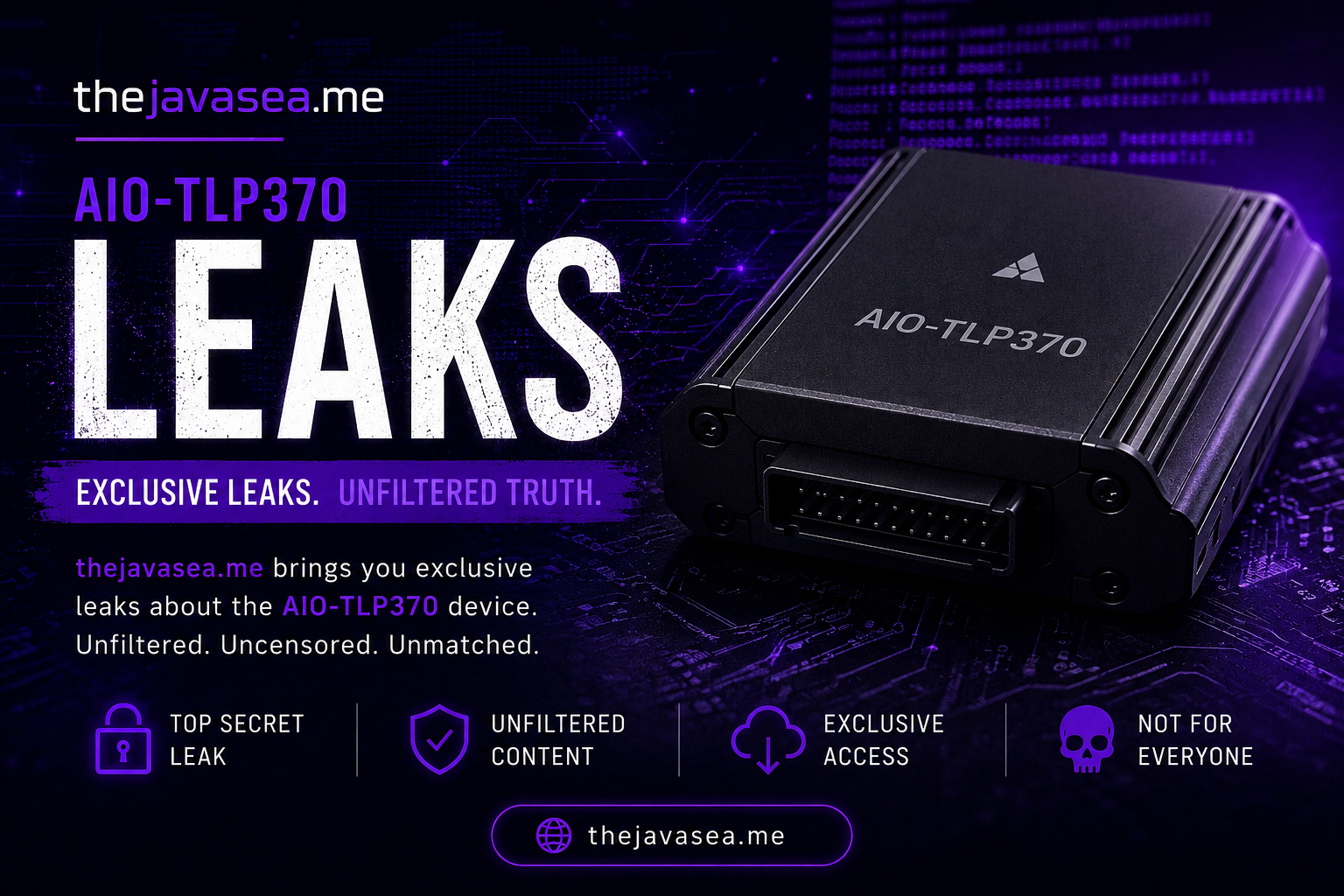
Although no verified inventory has been publicly confirmed, datasets described as “all-in-one” collections often contain combinations of information gathered from multiple sources.
| Data Type | Potential Risk Level |
|---|---|
| Email Addresses | Medium |
| Usernames | Low to Medium |
| Passwords | High |
| Phone Numbers | Medium |
| IP Addresses | Low |
| Personal Information | High |
| Business Credentials | Critical |
Whether AIO-TLP370 actually contains any of these categories remains unclear. Users should avoid assuming that every reported detail is accurate until credible evidence becomes available.
Even when a leaked dataset appears minor, cybercriminals can use exposed information in sophisticated ways.
If usernames and passwords become exposed, attackers often attempt to use those same credentials across multiple websites.
This works because many users reuse passwords across different accounts.
Leaked contact information can help attackers create convincing phishing emails.
These messages often appear legitimate because they contain real personal information.
If sensitive personal information is exposed, criminals may attempt to impersonate victims or commit financial fraud.
Organizations face additional risks when employee credentials or internal documents are exposed.
A single compromised account can sometimes lead to broader network access.
One of the biggest challenges surrounding thejavasea.me leaks aio-tlp370 is the lack of verified technical reporting.
Many articles repeat information from other websites without independent validation.
Before accepting any claim, consider the following questions:
If the answer to these questions is no, caution is warranted.
If you are concerned about possible exposure, follow a structured verification process.
Many online services notify users when suspicious activity is detected.
Watch for unauthorized transactions or account changes.
Several reputable services track known data breaches and can notify users when their email addresses appear in exposed datasets.
Whether or not you are directly affected by AIO-TLP370, these cybersecurity best practices remain essential.
Every account should have a different password.
Password managers make this much easier.
MFA adds a second layer of security beyond passwords.
Even if credentials are stolen, attackers may still be unable to access the account.
If you suspect exposure, change passwords as soon as possible.
Unexpected password reset requests can indicate attempted account compromise.
Never click suspicious links or download unexpected attachments.
Incidents like the alleged AIO-TLP370 leak highlight several important cybersecurity principles.
Every access request should be verified regardless of source.
Encryption reduces the usefulness of stolen information.
Regular testing helps identify vulnerabilities before attackers do.
Human error remains one of the leading causes of security incidents.
Organizations that prepare in advance typically recover faster after security events.
The attention surrounding thejavasea.me leaks aio-tlp370 demonstrates a broader trend.
People are becoming more aware of digital privacy risks and data security concerns.
As cyber threats continue to evolve, organizations and individuals must take a proactive approach to security rather than waiting for an incident to occur.
The most effective defense is a combination of strong technology, user awareness, and ongoing monitoring.
It appears to be a reported data leak or dataset identifier that has attracted attention online. Many details remain unverified.
Public discussions exist, but comprehensive independent verification remains limited.
Reports suggest possible account-related data, though no universally verified dataset inventory has been confirmed.
Using unique passwords and enabling multi-factor authentication is always recommended, especially when any leak is suspected.
Monitor account activity, review security alerts, and use reputable breach-notification services.
Yes. Exposed employee credentials or sensitive business information can create significant cybersecurity risks.
It is a cyberattack where stolen usernames and passwords are automatically tested across multiple websites.
Strong password hygiene, multi-factor authentication, and proactive cybersecurity practices remain critical for both individuals and organizations.
The growing interest in thejavasea.me leaks aio-tlp370 highlights how quickly cybersecurity-related topics can spread across the internet. While many reports discuss the alleged leak, verified information remains limited. Users should approach claims carefully, verify information through trusted sources, and focus on practical security measures rather than speculation.
Regardless of whether AIO-TLP370 ultimately proves significant, the incident serves as a reminder that strong passwords, multi-factor authentication, continuous monitoring, and cybersecurity awareness are essential in today’s digital environment. Taking proactive steps now is far more effective than responding after a compromise occurs.